Showing posts with label christmas. Show all posts

Friday, December 20, 2024

6 New Picture Books to Bring Joy & Laughter

1. 'Merry Christmas, Little Wombat!' Written & Illustrated by Charles Fuge

This book is a wonderful take on an Aussie Christmas. A group of animal friends decide to have their own special Christmas at the beach. The fun starts with a lucky dip for all the goodies in Mrs Roo's pouch! Joey the baby Kangaroo went first and pulled a wooden whistle from mother's pouch. Echidna was next, but Mrs Kangaroo suggested perhaps Little Wombat should dip into the pouch - out came a shaker!

Soon everyone had an instrument and the party on the beach began. The band marched and sang "Oh Christmas Tree, oh Christmas Tree" and even Platypus, and Rainbow Lorikeet joined in. Mother wombat came with goodies to eat and Echidna was decorated to act as the Christmas tree, with a Starfish on top!

"MERRY CHRISTMAS, EVERYONE" they all cheered!  

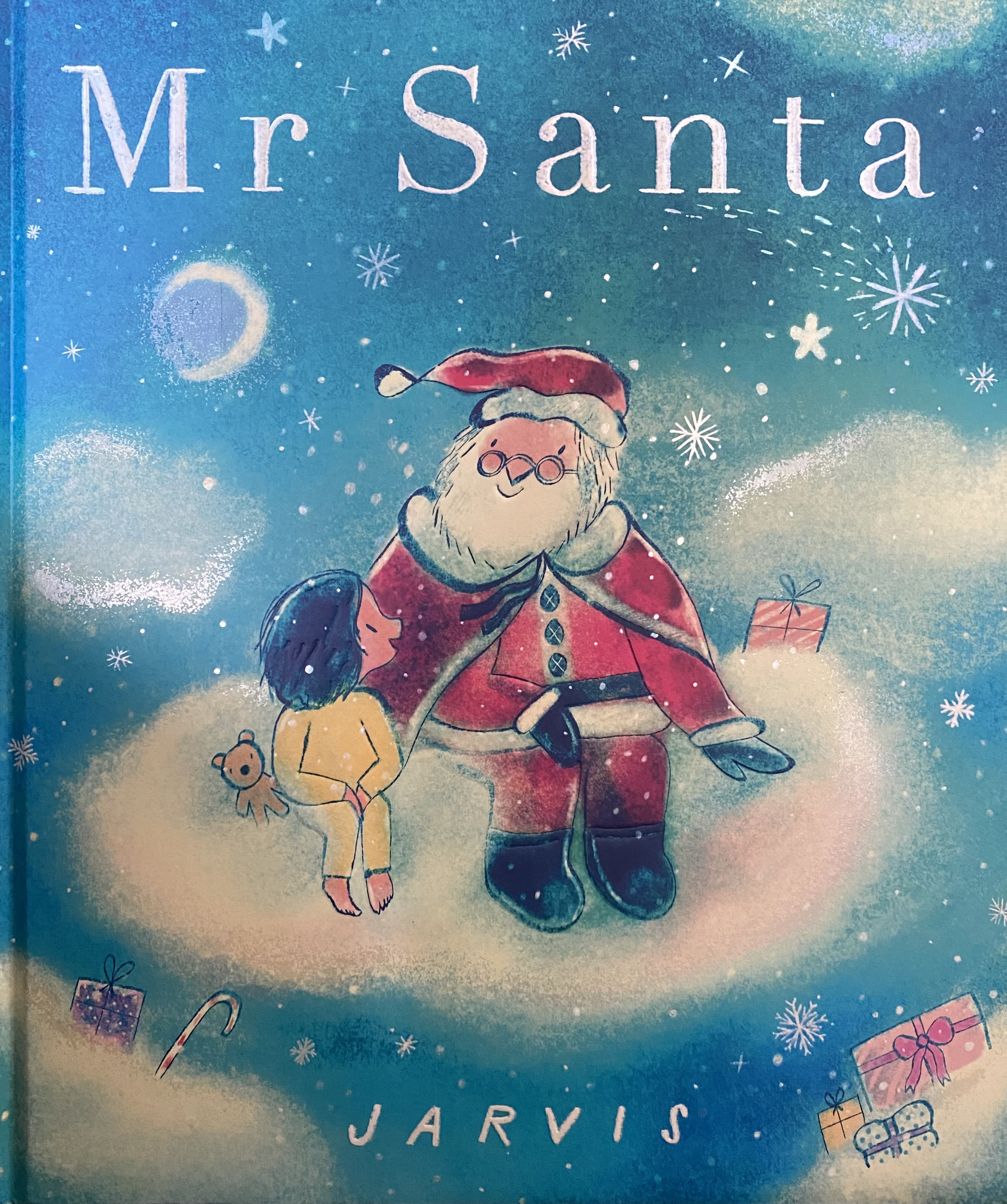
2. 'Mr Santa', Written & Illustrated by Jarvis

When a little girl wakes up one Christmas Eve, she is very surprised to see Mr Santa delivering gifts! As you would, she gives him a cup of tea, she makes sure he has wiped his shoes, and gives him a tour of house. It's a great chance to ask him questions. Lots of questions!

Can Santa eat clouds? Does he stop at traffic lights? Is his belly button an innie or outie? Does he like cats or dogs? Can reindeer talk? 

And the little girl just knew her brother was on Santa's list as a 'naughty boy'! Finally, Santa takes her to visit his house!

With his signature warmth and visual humour, Jarvis channels the excitement and joy of every child who has dreamed of meeting the love able guy who personifies the most magical night of the year. The little girl had just one question later, "was it real"?

Such a lovely book. Children aged 3-6 will love it!

3. 'Socks: A Kid's Christmas Lament' by J.D. McPherson & illustrated by Anika Orrock

JD McPherson is a singer-songwriter and guitarist from Broken Arrow, Oklahoma. Her illustrator Anika Orrock is a writer and cartoonist from Nashville, Tennessee. This alone should tweak your interest! I'm sure many a child (and adult) has opened their presents to find the good old 'standby' gift of SOCKS!! Handy for the Dad or Granddad, who are hard to choose gifts for, but a little kid?!?!

In this book, the author "pays hilarious homage to a stereotypical bad gift―and its disappointed recipients―in a deftly extended picture-book version of his song."

One very disappointed little boy searches everywhere for his presents while Mum & Dad are still in bed. But no! Not socks again?!# He rummages through the laundry, but even there he finds just dirty sock. If only he'd peeked inside the dryer.

"Brought to energetic life in droll, retro artwork by Anika Orrock. Anika illustrated the album cover and liner, Socks will prove a perfect fit for anyone who has ever gotten stressed over holiday gift-giving―and everyone, big or small, who’s come to appreciate the love wrapped up in even the humblest present. Includes a QR code to the Socks song".

This is a very funny book that is beautifully illustrated by Anika Orrock, who makes a special contribution to the work with her hillarious illustrations.

4. 'Don't  Let the Pigeon Drive the Sleigh' Written & Illustrated by Mo Willems

Mo Willems is well known to readers of children's books. He is a #1 best selling New York Times bestselling, and winner of many awards as an author and illustrator.

We often feel as if there are no more new and novel Christmas stories to tell, but no! When Santa ducks off to wrap some presents, and says to Pigeon "can you watch things for me?" Pigeon sees an opportunity and thinks, "can I drive the sleigh!?!" In fact, he ponders, "it would be a Christmas MIRACLE!" Now what could go wrong? He's sure he can do Santa stuff! He could drive the sleigh. But "where's the clutch? Or the steer-y thing? Or the honky thing? What even makes it go?"

But when he notices a horrible smell and comes face-to-face with a big reindeer, he rushes home to take on a more modest task. He will deliver some wonderful Christmas eggs!

This would be a wonderful book to read to children aged 3-6. The three-time Caldecott Honoree Mo Willems' delivers his ninth Pigeon book, and as usual, it will be well loved by many children.

5. 'The Welcome Cookies' Written by Kaye Baillie & illustrated by Kirrili Lonergan

Everyone loves a cafe. They might look a little different in Australia to cafes in France, England or the USA, but we love the fact that this special community 'hub' is there for us.

A visit each Friday was thing that meant normal, special, something always there. So, when she went on holidays for four weeks, it meant missing out on "four whole visits to the cafe". What to do? She decided to paint a surprise picture for Mrs Plum. But when she arrives home and skips to the cafe to give it to Mrs Plum, Mabel finds the café under renovation by someone new.

As the weeks go by she continues to miss her favourite cafe and Miss Plum’s smiles. Some weeks later, the café reopens, again and Mabel reluctantly visits it with her mother. Will this new place provide Mabel with the same joy she felt in the old place? And will she accept its differences?

In 'The Welcome Cookies', Mabel witnesses what she perceives to be the destruction of a place she loved. But the story shows how even though we can mourn the loss of a place and miss seeing people, if we open ourselves to new things, they can offer new beginnings and a chance for new friendships. The story also shows how a child has the power to make someone feel special and welcome.

What a special picture book! You won't be able to read it to your children without a smile on your face. And your children will want to return to it again and again. Simply fabulous!

With sensitive illustrations giving life to Mabel’s emotional responses, the book will have young and old alike wanting to visit their local café to taste the welcome cookies.


Monday, October 7, 2024

Five Quirky New Picture Books that Will Make Everyone Laugh

Christmas is closer than we think so what better time to get some special Christmas books for children aged 1-10. Five new books from Walker Books. I know it seems early, but sometimes delivery times at Christmas can be very slow.

1. 'Don't Let the Pigeon Drive the Sleigh!' Written & illustrated by Mo Willems

Now here's a title to get your interest! You'd expect something a 'little' different from Mo Willems, but a pigeon who wants to drive Santa's sleigh?! What could go wrong? And why can't he sneak a drive while Santa's not looking? But, what's wrong with this sleigh? 

But there aren't any gears, or a steering wheel, or even a horn!?

And how does he get it to move? I'll leave you to guess, but better still, just get the book and find out.

2. 'Merry Christmas, Little Wombat' written & illustrated by Charles Fuge 

Now this is an Aussie Christmas story! With a Wombat, Echidna, Kangaroo, Platypus, Rainbow Lorikeet how will this work out? This might be an Aussie take on Christmas, but as the northern hemisphere is often buried in snow, how do they celebrate 'down under'?

But hang on, what might the Christmas tree be like? There are no pines or spruce trees in a southern summer. We need a tree! Help someone!

3. 'Socks' written by JD McPherson and illustrated by Anika Orrock

I love this book! What child doesn't drop hints for the special gifts they'd like at Christmas time? Then again, not all parents are wealthy and can afford many gifts at Christmas. But, while this is very much a wealthy class view of Christmas expectations and gifts it is very funny, it does end with the our cranky kid reflecting on how "love and cheer" don't come in a box. 

Wonderful illustrations from Anika Orrock, and a funny little story from JD McPherson.

4. 'Mr Santa' Written and illustrated by Jarvis

Jarvis (yes that is the full author name) offers a different take on Christmas in this beautifully illustrated and written picture book. What child hasn't wanted to catch Santa at work late at night when they should be sleeping soundly? Or, at least dream about it. This little girl (or perhaps boy) has quite the adventure.

With a stirring in their moonlit room, there's movement at the foot of the bed. Santa is caught 'red' handed! Had he wiped his feet? Well, Santa decides he might just as well sit down for a chat, a nice hot cup or tea or coffee with this little nosy one before heading off.

So Santa, "like to see my fish"? Have some ginger bread. "Do you prefer dogs or cats"? "Can a reindeer talk"? "Can I ride your sleigh"? Wow! Where are we now"? All those penguins, "Are we lost"? "Do you stop at traffic lights"? "Can we visit your house?" "Just one more question" he mumbles as he wakes. "Was it really real?"

5. 'One Wise Sheep' by written & illustrated by Ulrich Hub and illustrated by Jorg Muhle 

Now last, but not least, a short novel for older readers 8-10. Ulrich Hub has written a delightful story with an interesting traditional take on a special time in 4 BC. The sheep are all awake in the dark of night as a new star is in the sky shining as brightly. They're concerned as all the shepherds have gone! Shouldn't "shepherds abide in the fields; they have to stay with their sheep at night". They've even left their back packs behind. Here's an opportunity, there is food in their backpacks!

Then a sheep with a "bobble hat" (beanie) and cries "Fear not: for, behold I bring you good tidings!" The sheep shares how in the middle of the night "... suddenly a host of Angels appeared in our fields singing praises. I think I even heard trumpets-" "And the good tidings?" the other sheep asked? "What were they? "Oh, I've forgotten he replied."

But while this absent-minded sheep takes some prompting, he manages to remember and share the true meaning of the Christmas. He declares, "A baby was born unto us tonight.. he is wrapped in swaddling clothes, lying in a manger...". Not all the sheep were persuaded by the tidings. So they follow the star in the night sky for they hear that this baby was sent to save the world! It seems the mother and father and child had to come because the Romans had declared a census must occur. Sadly, the sheep arrive too late to see the baby in the manger but find out there is a happy ending, this is just the beginning of the story this little one had ushered in, for He would change the world.


Friday, December 15, 2023

Holiday Ideas to Stimulate Children, Reduce Screen Time & Keep Parents or Carers Sane!

In Australia, our schools will close in the third week of December for the Summer holidays which last about 6 weeks. After over two years of COVID isolation, lock downs and disrupted schooling, life is just starting to return to normal. As we enter holiday periods with our children and grandchildren, it's helpful to plan a little. While some children might go to summer camps, or holidays with families, there will be plenty of time either at home or away for children to become bored. Hopefully, the solution is NOT just to simply increase their screen time.


If Christmas falls in winter as it does in the US and other northern hemisphere nations, then outdoor activities will be hard. But there are plenty of things to be done inside that are stimulating and fun. In Australia, traveling to catch up with family and friends, the beach, hiking, boating, fishing and more take up lots of time. But there is still time to fill at home because some children end up home while parents go to work for at least part of the holidays.


At Christmas, many families have ongoing traditions that you continue in families or schools. One special tradition in our family is to make the traditional English Plum Pudding using a recipe passed down on my mother’s side first used by her English and Scottish ancestors in the 1800s. Family legend is that one of our relatives worked as a cook in Holyrood Palace in Edinburgh and that the recipe was passed down to family members generation by generation. I used to make the pudding as a child with my grandfather and I’ve carried that tradition on first with one of my daughters, and these days also a second pudding with one of my granddaughters. Perhaps you have your own traditions?


I've written a number of posts in the past about things to do in the holidays with kids (here), as well as simple travel games to fill the time on trips with your children (here). There is also an earlier post on ‘Planning With Kids’ that offers '20 Great Holiday or Travel Activities for Kids (5-15)'. To maintain some balance, you might also read my post on why 'Boredom is still good for children!'.


In this post, I thought I'd revisit some of the ideas and add a few new ones. Holidays offer an opportunity to stimulate your children's minds, and help prepare them for another year of school in 2023.


My criteria for choosing holiday activities are that they should:


  • Stimulate creativity
  • Encourage exploration and discovery
  • Involve using hands as well as their minds
  • Encourage interaction between you and your children
  • Foster language and literacy development 
  • Increase their knowledge
  • Keep them interested


1.      An Excursion


The untold great places for an excursion wherever you live. Are you near or in Sydney? Why not enjoy one of the wonderful walking tours of the historic rocks? We took 4 of our grandchildren on a self guided tour of the Rocks during school holidays a few years and had so much fun. The tour we used was free. We were provided with a map and commentary that allowed us to have an adventure together as we explored the historic area. We acted out varied scenarios along the way and took photos to share with other friends & family.


2.      Why not get your children to create an animation, with one of many apps. 


This sounds a big deal but it's not with the right app. I wrote a post about some wonderful apps for digital story telling a few years ago (HERE). One of my favourites is 'Puppet Pals. For one thing, it's VERY easy to use. Your children will work it out in minutes. Puppet Pals is available as a free app for the iPod Touch, iPhone and iPad. Most apps are available for other devices as well. It's essentially a simple way to create an animated movie using 'cut-out' themed characters and a variety of backdrops and scenes to create an animated 'puppet' play.


There is a free version that comes with Wild West backgrounds and actors.  However, you can also purchase different themes for as little as $US0.99 or the 'Director's Cut' in which you can access all the themes for $US2.99. These allow you to obtain a range of additional scenarios and characters based on themes such as monsters, space, pirates, arthropod armada, Christmas and so on. You can even make your backdrops and characters.


It's a very simple app to use that provides very easy story boarding. You can record dialogue, move characters around, create some simple effects, change backdrops and settings and characters. While ideally, before creating the animation, the writer/producer prepares plot summaries and story ideas, but I've seen my grandchildren make excellent animations on their first take. One they used is the 'Arthropod Armada' theme from 'Director's Cut'. 

As a teacher, I also could see myself using a smart board to collaboratively develop a story with my class before introducing individuals and groups to this smart little app.


3. Books with a difference


a)  Pick some special books they haven't seen - try to borrow or buy at least 2 books for each child. Based on their interests try to choose books they'll enjoy, not simply books you'd like them to read. Opportunity shops, book exchanges and libraries are also a great place to start looking for some cheap second hand books. I have another post on book exchanges, op shops and web exchange sites here. Alternatively, take them to your local library to choose some.


b)  Use Books as a creative stimulus - While the sheer joy of the book is usually enough, sometimes books can stimulate many wonderful creative activities. For example:

After reading Maurice Sendak's "Where the Wild Things are" go outside and dramatise it. Let one child be Max and let others take turns at being the wild things. Make a boat out of bits of wood, or even have a go at making one out of a large cardboard box (or several).


After reading Jeannie Baker's book "Where the Forest Meets the Sea" (a book about the Daintree Rainforest in which all the pictures are collage), encourage them to make a collage out of natural materials (and maybe some wool, straws etc to supplement) in response to Baker's pictures. Or read a second book and have them use collage in response.


Or after reading Graeme Base's "The Waterhole" get them to paint the waterhole (they can draw the animals, cut them out and paste them around the waterhole).

4. Dramatisation


Dramatisation is an excellent way to respond to a book. If you have a dress-up box all the better. Let your children either re-tell the story through dramatisation or improvise. Get involved to help set the pattern for turn taking etc. I play a mean wolf, and an even better Grandma!


5.   Writing with a difference 


Introduce children aged from 5 to diaries or holiday journals.


a) Scrapbooks & journals - Make this fun, not a school activity. Some might prefer to just make a holiday scrapbook by pasting in tickets, leaves they collect, food wrappers etc. But you can also show them how to create a travel diary.


b) A holiday blog - Tech savvy mums and dads might encourage their children to write online. Why not set up a family blog that can be read by friends and relatives (even if only for two weeks). You could use this as part of a trip away, or just use it at home. Older children could set up the blog themselves and all family members could contribute. Let them have access to a digital camera and a scanner and the sky is the limit. See my post on 'Children as bloggers' (here).

c) Start a family joke or riddle book - Maybe offer them some jokes as models ("Knock, knock", "Why did the centipede cross the road"....) etc.

6. Craft

a) Structured Craft ideas - simple beadwork, noodle craft, mask making, making plaster moulds (and painting them), anything for young children that requires paper tearing, gluing, glitter, stickers, works well.

b) Unstructured creative craft - Stock up when you go to the supermarket with simple materials like paper plates (good for masks), brown paper bags, sticky tape, glue, cotton balls, tooth picks, paper cupcake holders, straws (cutting up and threading), noodles (for threading).
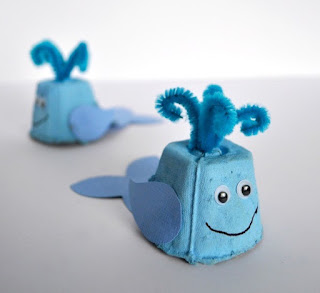


c) Play dough - You can buy cheap coloured modelling clay but home-made playdough works well. My wife 'Carmen's can't fail' recipe is 1 tablespoon of oil, 1 cup of plain flour, 0.5 cup of cooking salt, 2 tablespoons Cream of Tartar, 1 cup of water, colouring. Mix together and put in a saucepan on medium heat until it binds together, stirring all the time. Fold together by hand. If you keep it in a sealed plastic bag it will last for ages in or  outside the fridge.


There are endless things to do with play dough. Try to move beyond just cutting out shapes (which kids still love). Encourage them to make a house, a farmyard, a bed, and an aquarium. Use some plastic animals with the play dough or small plastic people. If you don't mind tossing the play dough out you can let them use sticks, plants etc to make simple dioramas. Kids will create complex stories as they manipulate the play dough.

7. Creative Play

I've written a number of previous posts on play (here) but planning for play is important. While you can say to your children go outside and 'play', doing some simple planning at times will lead to more stimulating play times.

a) Dress-up box - If you don't have one take the kids to an Op shop to start one. You might even pick up some gems like old helmets, hats, belts (you can cut them down), handbags etc.


b) Water play
 - This is hard in cold weather, but maybe you could make bath-time special for young children with extra bubbles, different stuff to take into it. In warmer weather give them a bucket of water and some things to scoop, sieve etc - obviously only UNDER SUPERVISION. Above, it's pick on Grandad day!


c) Build a cubby house - No not with wood, just use a table, some chairs, wardrobes (hitch the blankets into the top of the doors, some pegs and sheets and blankets. By draping them over other objects you should be able to create a special space (about 2x2 metres is enough for three small kids). Or you could try your hand at making one from large cardboard boxes. I've done both types and the fun was the same on both occasions.


Try to get at least 1.5 metres of height. Have the kids 'help' and then get them to collect some special things to have in the cubby. 


I used to let my grandchildren have my cheap transistor radio from my shed (lots of fun). We also had a tea set. Sometime they had toys with them and games. If you're up to it, climb in as well and read some stories. I've seen a cubby of this kind amuse kids for half a day. Then of course for the adventurous you can share some snack food as well. You can even build a cubby inside! See my post on cubbies (here).


d) Indoor and back yard fun


Treasure hunts - Write the clues on paper using words and pictures depending on ages and make the treasure worthwhile (chocolate, a coupon for an ice cream in the kitchen etc). For something a little more challenging why not try a map with grid references (see picture opposite).


e) Cooking


Kids love cooking with their mothers or fathers. Do simple stuff. Nicole (Planning With Kids) has lots of great ideas for cooking with kids on her site. Don't forget to make it a language activity as well by getting them to follow the recipes.


Wrapping up - A few basics hints


  • Have a strategy for the holidays - map out a timetable (post it on the wall) and try to plan a few significant events and think through the general structure of each day.
  • If you have younger children still at home, being joined by school kids on holidays, try to think about how you will cope with all their interests and think about varying daily routines a little.
  • Pace yourself - don't use all your best ideas in the first few days (you'll wear them and yourself out and you'll struggle to keep up the variation later).
  • Expect bad weather - think about some ideas that will work in rainy weather as well. It's called the "Law of Holidays" - expect lots of wet weather and a day or two of sick kids.


HAVE FUN!

Thursday, November 24, 2022

Sharing the Stories & Songs of Christmas

Storytelling is a central part of what it means to be human. Holidays often create the perfect context for storytelling. They create 'space' to spend time with family and friends in varied contexts, and each offer opportunities to share stories and yarns.  

In Australia, schools have their longest break of about 6 weeks in Dec-Jan as we approach Christmas. This is a time when we also celebrate the birth of Jesus over 2,000 years ago. 

It's a time for holidays, religious observance for some, special food, music and in many cases, the exchange of gifts. Even if you don't have any religious conviction, most people look forward to holiday seasons as a special time to catch up with family and friends. But hopefully many teachers and parents will consider the deeper meaning of Christmas.

1. Sharing story through songs & music

Storytelling, is at the very centre of most Christmas gatherings. And music has a special place in our 'storytelling'. Whether religious or secular, music and storytelling are often intertwined. 
 
As a child, I grew up in a house where music was sung and played often. This included lots of popular ballads, country, blues and pop. When we went for our annual holidays at the Lake Macquarie, singing was never far from our gatherings. On hot summer afternoons at my grandparents’ home at Wangi Wangi we would swim. But after it, we would end up with community singing on the front verandah of my grandparents' house. My father would take his accordion onto the verandah and ask my mother or sister Dianne to sing. Like a magnet, people would emerge from their tents to join in the celebration. At times 50-80 people would come out of their tents and caravans to join us in my grandparents front yard.

Above: My parents performing in a community concert
 

As well, as traditional Christmas carols like "Hark the Herald Angels Sing" and "Silent Night" they would sing popular music that usually had a strong sense of story.

2. Some examples of books to share with a Christmas theme

Books about Christian traditions have been the focus of hundreds of different titles some are closely centred on the Christian message, others not so much. But the Bible's account of the baby Jesus born in a manger in a humble barn is at the very centre of Christmas celebrations for many.

 
In our schools during the Christmas season, we often share stories with our students that have a Christmas theme. As a teacher I always found time for the sharing of the Christmas story as well as some stories with a 'twist' like the Dr Seuss classic Could the Grinch who hated Christmas 'steal it' so that it couldn't occur? This classic and well known Dr Seuss book, takes a different look at the meaning of Christmas.
 
'The Jolly Christmas Postman' by Janet & Allan Ahlberg

"It's Christmas Eve and the Jolly Postman is delivering greetings to various fairy-tale characters - there's a card for Baby Bear, a game appropriately called 'Beware' for Red Riding Hood from Mr Wolf, a get-well jigsaw for hospitalised Humpty Dumpty and three more surprise envelopes containing letters, cards, etc." 
 
'The Christmas Rose' by Wendy Blaxland & illustrated by Lucy Hennessy
 
This
is a beautifully told story that traces elements of the story of the birth of Jesus.

The fields near Bethlehem are filled with great joy when angels appear telling of the birth of a very special baby. Madelon’s uncle, his men, and the magnificent kings riding on camels all have gifts for the Saviour. But Madelon has nothing. What could she possibly give him? This version of the Christmas story uses the efforts of a small child to follow others to see the Christ Child. A beautiful illustration of those who would spend great effort to come and adore Him.

The rich and evocative oil paintings by fine artist Lucy Hennessy are stunning and in their muted softness leaves the reader to imagine the scene in all of its mystery and richness.

'The Christmas Promise'
by Alison Mitchell and illustrated by Catalina Echeverri

This wonderful retelling of the Christmas story is brought to us by the highly successful team that has brought us a whole series of children's stories based on the Bible. It tells of how God kept His promise to send a new King.

A long, long time ago so long that it's hard to imagine God promised a new King. He wasn't any ordinary king, like the ones we see on TV or in books. He would be different. He would be a new King; a rescuing King; a forever King! 

I love the books in this series titled "Tell the Truth". Like all of the books in the series, it tells the Christmas story in a simple way that children can grasp, while remaining true to the Bible's narrative. The book will help preschool children discover how the Bible explains how God kept His Christmas Promise.

The wonderful illustrations by Catalina Echeverri are also faithful and consistent with the Bible-centered story-telling of Alison Mitchell. Together, they make this a book that both parents and children will love.

'The Nativity' by Julie Vivas is a wonderful book. The story is close to the Bible narrative and the illustrations as you'd expect from Julie Vivas are superb.

'The Christmas Book', written and illustrated by Dick Bruna. Bruna's delightful and simple telling of the nativity story is special. He manages to tell the greatest story ever told with his typical simplicity. This one is suitable even for preschool children.

'Room for a Little One: A Christmas Tale' by Martin Waddell & illustrated by Jason Cockcroft

That cold winter's night, 
beneath the star's light... 
...a Little One came for the world. 

First kind Ox welcomes Old Dog, then Stray Cat, Small Mouse, Tired Donkey, and finally the baby Jesus into his stable on the first Christmas night. Delightful story that tells of the momentous event.

'A Baby Born in Bethlehem', Martha Whitmore Hickman's retelling is based on the gospels of Luke and Matthew. It begins with the revelation to Mary that she will have a child who will be the son of God and ends with the visit of the Wise Men. The text emphasizes the joy of Jesus' birth. Giulliano Ferri's pencil and watercolour illustrations contribute to making this a great book for four to eight year olds.

'The Best Christmas Pageant Ever' by Barbara Robinsion . This book tells the story of how one of the "worst Kids" in the world finds out about the real Christmas story for the first time as he takes part in the church Christmas pageant. The story itself is very funny but it also manages to communicate the Christian message accurately.

'The Baby Who Changed the World' by Sheryl Ann Crawford, Sonya Wilson (Illustrator). In this imaginative retelling of the Christmas story, the animals get together and discuss the approaching arrival of a new baby that some say will grow up to be a strong and powerful King. When Mary and Joseph enter the picture and the events of the true Christmas story unfold!

'The Christmas Story: According to the Gospels of Matthew and Luke from the King James Version' by Gennadii Spirin (Illustrator). This telling of the Christmas story begins with Mary's meeting with the angel Gabriel then proceeds to the birth of baby Jesus in a stable, the visit of the shepherds and the three wise men. Spirin's Orthodox Christian faith is reflected in the wonderful art that makes this a special retelling of the story of Jesus (although not all will find the images match their idea of what Jesus might have looked like).
 
3. Sharing family anecdotes & stories that enrich children's knowledge of the past (BUT avoid controversial topics!).

Another wonderful thing about holiday seasons is that you have time to sit with our children and share the events of the year, and perhaps those we shared with family and friends in years past. "Can you remember the time when we egged Mr Smith's car"? These build children's knowledge of the family and the world, as well as their own ability to share stories. "Tell us the story about the time you got lost in the bush Dad". 
 
"What was it like going to school when you were a kid Mum?" "What was the funniest thing that happened at school this year"? "Tell us another story Grandad from when you were a kid". As you share your own stories as parents, you help to build family traditions, as well as teaching them how to tell stories themselves.

4. Engage your children in preparations 

Having time to do things with your children as you prepare for a time like Christmas will often create those 'spaces' where things can be shared as we make the preparations. Get your children to help decorate the Christmas tree. This isn't just for fun or to fill in time, it allows space and time to share stories and for your children to become better storytellers themselves. 
 
In the case of parents, you might share stories of the type "I remember when...". "Do you know where this Christmas decoration came from?" "Do you remember when you made this silver star"? Or perhaps, while you're getting your children to help make some decorations you can simply share jokes and anecdotes, or reminisce. 
 
A special time in our home is decorating the tree each year with decorations that our children made over 30 years ago! Looking at precious decorations is a great story telling event. "Do you remember who made this?" "Did you know that this decoration was on my mother's tree". Stories will flow!

5. Get children involved in using 'procedural texts'


One of our family's most treasured traditions is the making of the Christmas pudding. As a child, my grandparents involved my sister and me in this activity. This was always one of our special family events at Christmas. I implemented the same tradition with my daughters, and more recently, my grandchildren. As well as the fun we have as we prepare for the cooking, we have to follow the recipe, share stories, and lick the bowls. This is a great language event as stories and anecdotes just flow.


6. Involve your children in the making of presents, cards and gifts

Some of my favourite presents as a parent have been the gifts that my children and grandchildren made for me. It's fun to involve children as we make preparations for the exchange of gifts. This might be making yummy food, lollies or snacks to share with neighbours. Once again, there are recipes to follow, stories to tell, gift labels to write, and much more. Card making is just one fun non-food way to link literacy activities to holiday seasons. As well, children might make a book to give to their grandparents or their teacher. Making items for family and friends to hang on their tree is a great literacy activity already mentioned above.

Summing up

Literacy and storytelling are implicated in pretty much all aspects of life. Holiday seasons are just one context that offer opportunities to ground storytelling in 'real' life. As we engage with our children every day, there are numerous ways that the stories we share can help to build their knowledge and their proficiency as users of language whether in spoken or written form. As well, we can develop a shared history that binds family members together.

Monday, November 29, 2021

25 Children's Books to Share at Christmas

I often do a post in Nov-Dec about books that are appropriate to share at Christmas. In this post, I feature 25 books that are varied and suitable for different ages. They include books that share the traditional Christmas story (Section 1), others that are based on elements of the Christmas story or themes from biblical teaching on Jesus' life (Section 2) and a few others that are just about Christmas as a secular season of giving (Section 3). The books focus on love, devotion, kindness, forgiveness and sacrifice. The following are examples that you might enjoy with your children. Most can be used with children aged 4-12 years.

At the heart of the Christmas story is the birth of Jesus, which Christians celebrate on the 25th December. While for many, the celebration of Christmas has become disconnected from its traditional purpose of remembering and celebrating Jesus' birth some 2,000 years ago, it is told and retold in varied forms each year at this time.

1. Books based closely on the biblical story of Jesus birth

'The Christmas Promise' by Alison Mitchell and illustrated by Catalina Echeverri

This wonderful retelling of the Christmas story is brought to us by the highly successful team that also brought us a whole series of children's stories based on the Bible. It tells of how God kept His promise to send a new King.

A long, long time ago so long that it's hard to imagine God promised a new King. He wasn't any ordinary king, like the ones we see on TV or in books. He would be different. He would be a new King; a rescuing King; a forever King! 

I love the books in this series titled "Tell the Truth". Like all of the books in the series, it tells the Christmas story in a simple way that children can grasp, while remaining true to the Bible's narrative. The book will help preschool children discover how the Bible explains how God kept His Christmas Promise.

The wonderful illustrations by Catalina Echeverri are also faithful and consistent with the Bible-centered story-telling of Alison Mitchell. Together, they make this a book that both parents and children will love.

 'The Christmas Rose' by Wendy Blaxland & illustrated by Lucy Hennessy

This is a beautifully told story that traces elements of the story of the birth of Jesus.

The fields near Bethlehem are filled with great joy when angels appear telling of the birth of a very special baby. Madelon’s uncle, his men, and the magnificent kings riding on camels all have gifts for the Saviour. But Madelon has nothing. What could she possibly give him? This version of the Christmas story uses the efforts of a small child to follow others to see the Christ Child. A beautiful illustration of those who would spend great effort to come and adore Him.

The rich and evocative oil paintings by fine artist Lucy Hennessy are stunning and in their muted softness leaves the reader to imagine the scene in all of its mystery and richness. 

The Baby Who Changed the World by Sheryl Ann Crawford, Sonya Wilson (Illustrator). In this imaginative retelling of the Christmas story, the animals get together and discuss the approaching arrival of a new baby that some say will grow up to be a strong and powerful King. When Mary and Joseph enter the picture and the events of the true Christmas story unfold!

The Christmas Story: According to the Gospels of Matthew and Luke from the King James Version by Gennadii Spirin (Illustrator). This telling of the Christmas story begins with Mary's meeting with the angel Gabriel then proceeds to the birth of baby Jesus in a stable, the visit of the shepherds and the three wise men. Spirin's Orthodox Christian faith is reflected in the wonderful art that makes this a special retelling of the story of Jesus (although not all will find the images match their idea of what Jesus might have looked like).

Mary's Christmas Story, by Olive Teresa. There are a number of different retellings of the Christmas Story available in the Arch Books series. Most are told from the perspective of different witnesses to the birth of Jesus or draw more heavily on one of more of the gospel accounts. This one retells the Christmas story from Mary's point of view based on Luke 1:5-2:18.

 'The Nativity' by Julie Vivas

The Nativity is a wonderful book. The story is close to the Bible narrative and the illustrations as you'd expect from Julie Vivas are superb. It's a story that centres on faith, love and a miracle! The illustrations are a delightful representation of this special event that is at the centre of Christmas traditions and faith. What Julie Vivas does so well, is she reveals the human side of the story. While Mary was to give birth to the Son of God in human form, she was like any woman expecting a child. Vivas captures the sense of Mary's common humanity. So too, the impact on others as the Angel Gabriel delivers the big news. 

There is a whimsical style to the portrayal which while not evident in the biblical story, children will find fun without losing the sense of this special story.  Mary makes her exhausting journey with Joseph to Bethlehem, and finally delivers of the baby Jesus, who is the Son of God! The image of Mary, Joseph & the baby Jesus in the stable on the hay with the hens, captures the sense of humanity of Jesus who was indeed that, but also much more.

 2. Books that use the Christmas theme to offer moral lessons

This category of books is quite large. They typically use the Christmas celebration or season as the setting for a human story that teaches something about one or more fine human qualities that are consistent with Christian teaching; for example, love, kindness, generosity, forgiveness and sacrifice.

The Christmas Eve Ghost, by Shirley Hughes (2010)

'The Christmas Eve Ghost' is written and illustrated by one of my favourite English author/illustrators, Shirley Hughes. It is a classic example of books in this category. It doesn't really mention the Christmas story at all but uses Christmas as one of its themes to highlight kindness against the background of sectarian differences between Catholic and Protestant residents of Liverpool in the 1930s (the place and time of her childhood). Without saying it, Hughes offers the message that Christmas is a time when people should connect with one another in love, kindness and service.

The book tells the story of a mother and her two children, living in poverty. The mother cares for the children and earns just enough to survive by washing other people's clothing. On Christmas Eve 'Mam' has to leave the children in bed while she goes off to deliver a batch of washing. The children awake to strange noises (as it turns out they are 'natural' noises) and flee the house in fear straight into the arms of Mrs O'Riley from next door, a person their mother doesn't speak to for reasons not clear until the end. It's a wonderful book with a touching resolution. As the son of Scottish/Irish immigrants the story resonates well with my story.

A Christmas Carol, by Charles Dickens, illustrated by Robert Ingpen (2008). This book probably deserves to be in a category of its own. The miserly Ebenezer Scrooge is taught the true meaning of Christmas by a series of ghostly visitors. This is essentially a fable that stresses that Christmas should be a time of goodwill towards mankind. There have been many versions printed of this classic story first published in 1843 with wonderful illustrations by John Leech. Published in 2008 this new edition has to be one of the best illustrated versions that I've seen, which isn't surprising as Robert Ingpen is one of the finest illustrators we have seen in the last 50 years. The edition also contains Dickens story Christmas Tree that offers an insight into a Victorian Christmas of the 1850s.

Used by permission of Walker Books

How the Grinch stole Christmas! by Dr Seuss. This is one of my favourites within this category. The Grinch lives on top of a mountain that overlooks Whoville. As he watches the villagers getting ready to celebrate Christmas he comes up with a plot to stop them. But instead of stealing Christmas he learns that Christmas means much more than the trappings such as gifts, decorations and food. I used to read this to my children at Christmas time and in time they read it to their children as part of their Christmas traditions (my daughter did a post on this here). You can also watch the video version of this story that has been popular with children for over 50 years (here).


Christmas Miracle of Jonathan Toomey, by Susan Wojciechowski and illustrated by P.J. Lynch. This story focuses on Jonathan Toomey who is the best woodcarver in the valley. But he bears a secret sorrow, and never smiles or laughs. When the widow McDowell and her son ask him to carve a creche in time for Christmas, their quiet request leads to a joyful miracle, as they heal the woodcarver's heart and restore his faith.

Wombat Divine, by Mem Fox and illustrated by Kerry Argent. This wonderful story tells of the quest of a wombat to find the perfect part to play in the annual Nativity play. He tries out every part without success until he finds one that he carries off with distinction.

The Nativity Play, by Nick Butterworth and Mick Inkpen. This is the story of a group of children who put on their own nativity play. There is a much creativity that is needed to get the show on the road.


3. Stories based on Christmas traditions

For those who are more interested in Christmas traditions than the traditional Christmas story, there are masses of books that take the Christmas theme in all sorts of directions (some quite strange). However, there are some that have literary merit and are enjoyable stories to read at Christmas and that suit the needs of families that are from non-Christian traditions. Some of the better examples follow.

Nine Days to Christmas by Marie Hall Ets and Aurora Labastida

This wonderful Christmas tale from Mexico was written in 1959 and won Marie Hall Ets the Caldecott Medal for illustration in 1960. It is the story of 5 year-old Ceci, who ready for her first Posada. This is a fourteen day festival (ending on Christmas Eve) in which entire towns participate. There are great things to eat, music, ritual and traditional dress to wear. But for Ceci, she is most excited that she will have her own piñata to fill with special things that all the village children can share. As well as being about Christmas, this is a wonderful insight into Mexican culture. Marie Hal Ets collaborator was Aurora Labastida who grew up in Mexico and this is her story and her memories of Christmas.

Letters from Father Christmas, J.R.R. Tolkien (edited by Baillie Tolkien)

This book is a collection of letters that Tolkien wrote to his children over a period of 23 years. Every December an envelope bearing a stamp from the North Pole would arrive for J.R.R. Tolkien’s children. Inside would be a letter in a strange, spidery handwriting and a beautiful coloured drawing or painting. The letters were from Father Christmas.

Tolkien shares wonderful tales of life at the North Pole. A reindeer gets loose and scatters presents all over the place, an accident-prone North Polar Bear climbs the North Pole and falls through the roof, Santa accidentally breaks the moon into four pieces and the Man (in the moon!) falls into the back garden and many more. This is Tolkien at his creative best, but what's special is that they are personal communications between him and his children. His last letter is a beautiful farewell from Father Christmas with an underlying message of hope and continuity. If you love Tolkien you will like this collection. It's available in an enhanced eBook format as well, which has a number of other features (see video below). These include audio recordings of many of the letters read by Sir Derek Jacobi and the ability to expand each of the images of the original letters and envelopes
(some never published before).

The Night Before Christmas, Clement C. Moore, illustrated by Robert Ingpen (2010). This is a wonderful new release from Walker Books. Just the mention of Robert Ingpen's name will get me excited, because surely he is one of Australia's greatest illustrators. This is the best illustrated version of the classic Clement Moore poem that I know of. Moore wrote the poem for his children and first read it to them on Christmas Eve 1822.  A friend sent it anonymously to a New York newspaper in 1823 and once published it quickly became well known. Only in 1844 did Moore claim authorship. Many attribute much of our contemporary portrayal of Santa Claus to this poem. Who can forget the start?


'Twas the night before Christmas
when all through the house
Not a creature was stirring
not even a mouse...

Ingpen's depiction of Santa as a mischievous and happy old man sits well with the traditional myth. His usual immaculate line drawings are in evidence, but this time they are softened by a gentle wash that gives an ethereal feel to the drawings. The 'soft' lines also sit well with the traditional northern white Christmas.

Suzy Goose and the Christmas Star, by Petr Horacek (2010).  This is another new release from Walker Books. It is a perfect book for preschoolers or young children up to 6 or 7 years. Suzy and her farmyard friends are gathered on Christmas Eve around their Christmas tree and she notices that something is missing - a star on top of the tree! She cries to her friends, "It needs a star on top....Just like the one in the sky. I'll get it." So she sets off to 'get it' with some amusing episodes along the way before the surprising solution. Young kids will love this book. It is well written and beautifully illustrated by Petr Horacek. Again, it barely mentions Christmas, but parents and teachers could speak more about Christmas using this story as the springboard.

Finding Christmas, by Helen Ward. This slightly mystical book was voted in the top 10 Christmas books in 2004. It tells the story of a little girl in a bright red coat and bright green boots who wanders at dusk from shop to shop looking for “the perfect present to give to someone special.” Things look hopeless until she is drawn to the bright window of a toy shop filled with colourful toys.

All I want for Christmas by Deborah Zemke. What does a skunk want for Christmas? French perfume! What does a spider want? A spinning wheel! Deborah Zemke's wonderful art and great sense of humour makes this a hit. I wonder what they will want?


This delightful book is from the  wonderful team of writer Jackie French and illustrator Bruce Whateley. It′s Christmas Day in Shaggy Gully. Can Emily Emu and her friends possibly make the Bunyip smile this Christmas? All the animals are in a good mood except the Bunyip. He proclaims, ′I′m mad and I′m mean! Bunyips don′t like Christmas!′


 Twinkle, Twinkle Christmas Star by Christine Harder Tangvald.

This delightful story is based on the familiar children's rhyme but re-words it to parallel the Christmas story.


'Bear Stays Up' by Karma Wilson & illustrated by Jane Chapman (McElderry Book)

This poor bear has never seen a Christmas because he hibernates each year. This year, his forest friends vow to wake him up and keep him up for their Christmas celebration. This is a delightful story told in rhyme. Bear's friends give him a wonderful Christmas. They decorate his den, find a Christmas tree, make some decorations and sing Christmas carols. Does Bear stay up?
 
Mooseltoe by Margie Palatini, Henry Cole (Illustrator). This one is simply a lot of fun.


The Nutcracker by Janet Schulman & E. T. A. Hoffmann, illustrated by Renee Graef. A version of the classic tale.

The Polar Express by Chris Van Allsburg. A magical train ride on Christmas Eve takes a boy to the North Pole to receive a special gift from Santa Claus. This book won the 1986 Caldecott Medal and of course has been made into a movie.
 
 
It's Christmas Eve and Bluey, Bingo and Muffin decide to play a game called Verandah Santa! What will Santa bring them? A gorgeous hardback book for kids of all ages.

Bluey has been a phenomenal success since airing on ABC KIDS in October 2018, amassing legions of dedicated fans and hugely popular ranges of books, toys, clothes, games and more. It holds the coveted position of being the most watched program ever on ABC iView, with over 260 million plays for Series One, and is the winner of an International Emmy for Most Outstanding Children’s Programme.

About Bluey - Bluey is a six-year-old blue heeler pup who loves to play. Along with her friends and family, he enjoys exploring the world and using her imagination to turn everyday life into an amazing adventure. This is an Australian children’s television program by the Emmy® award-winning Ludo Studio for ABC KIDS and is co-commissioned by ABC Children’s and BBC Studios.
 
Summing Up

There are endless books that have written about Christmas. When choosing a suitable book to read to your children try to find one that is faithful to the Christmas story and which is appropriate for your children's age. Even those books that mention only tangentially the real Christmas story can be a good springboard for the discussion of the central meaning of Christmas. 

Parents or teachers who want to share the traditional Christmas story can use one of the many wonderful children's Bibles available for children of varying ages in modern translations. For example, Lion Hudson has published a variety of versions that paraphrase the Bible accurately and with illustrations that children will find meaningful and enjoyable (more information here). You can also use an adult Bible with primary aged children and can simply read the appropriate section from the gospels of Matthew (here) or Luke (here).